
Gallery Visit
Students can really benefit from “out trips” that are connected to the curriculum being taught in class. A trip to a local art gallery can be an exciting way to engage students with the concepts being taught in class and not just art classes. There are lots of opportunities for cross curricular education in local galleries.
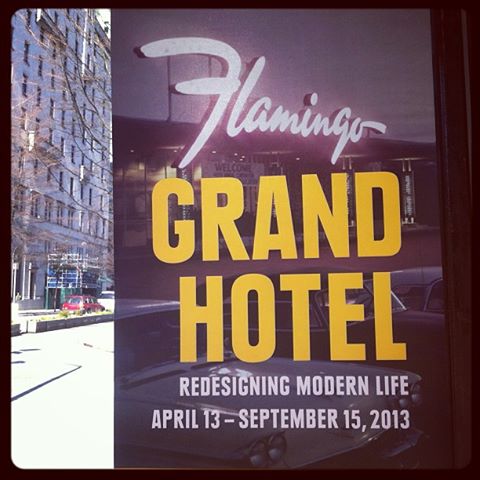
One of the things that really amazed me at the Grand Hotel exhibit was how easily it could be adapted for cross-curricular studies. I think it would be a great opportunity to take a group of students from different classes (history, music, art, English, geography, or economics) and have them explore the gallery for examples of what they learned in their respective classes. For example, an English student might be fascinated with the inclusion of writings by William S. Burroughs and with the aid of some guiding questions, could inquire more into his repertoire of work. A history student might become engaged in the creation of the Canadian Pacific Railway and could work together with a geography student to create a project that highlighted its shortcomings and successes.
Using the gallery as a starting point for inquiry is something I would like to try and I think it would work well for this type of cross curricular activity. The students would be asked to visit the gallery and write down any questions they had while viewing the exhibit or anything that surprised or confused them. After the visit the students could do a research project where they found the answers to those questions. They would then be asked to make groups with students from the other classes and teach them about what they learned in their field. After this, the group would be asked to put together a poster project with information and images that included each group member’s findings.
Finally, all of the student would hang their posters and conduct their own exhibit with a gallery walk where they would have the opportunity to learn from their peers and discuss their findings.
Assessment could be based on collaboration and developing the ability to appreciate others’ work. Each of the teachers would also need to collaborate in designing the activity and could assess their students for particular PLOs in the IRPs for their subject.
Recent Comments