Category Archives: Portfolio Project

I am currently enrolled in a class at SFU titled, Designs for learning Art. One of our assignments was to make a portfolio of artwork created in class. This range of artwork can be used in classrooms as samples of usable activities. Along with each piece, I have written a brief reflection which focuses on assessment, modifications, extensions, and general lesson plans that can be modified for grade level.

Week 3 – Looking at and Responding to Art

Looking at and Responding to Art

This week we discussed the elements and principles of art and design in the context of responding to art critically. This is an important lesson for all students to learn but for the purposes of this reflection, I will adapt our class activity and extend it to encompass a unit for a grade 11 sculpture class though it could be easily adapted for all ages or classes.

Starting with the PLOs from the Studio Arts 11/12 IRP for a backward design allows me to consider assessment before designing the lesson.  The unit could represent many POLs but the major focus will be on; justifying interpretations of and preferences for images within sculpture as well as to create images within sculpture that reflect historical and contemporary themes.

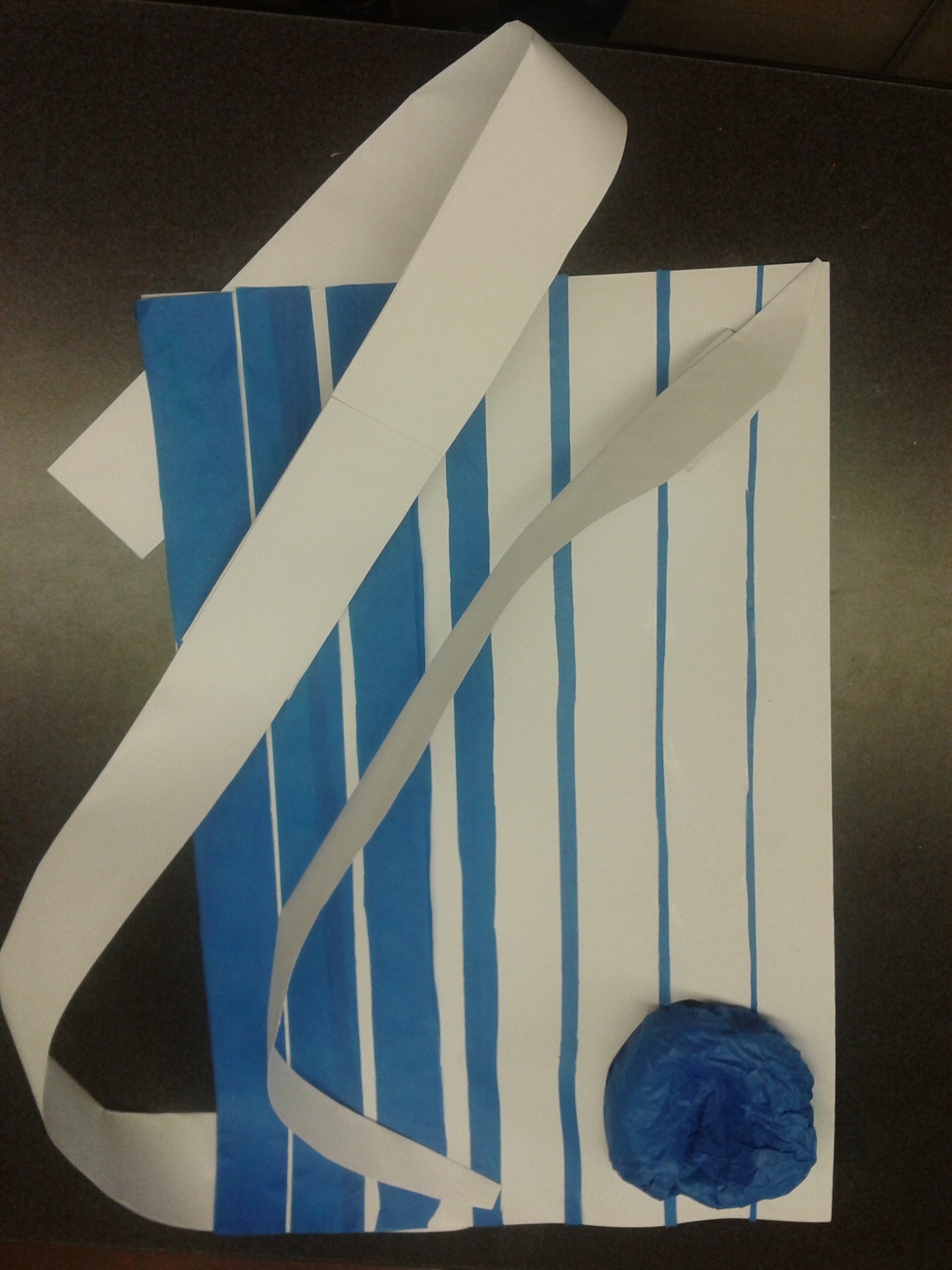
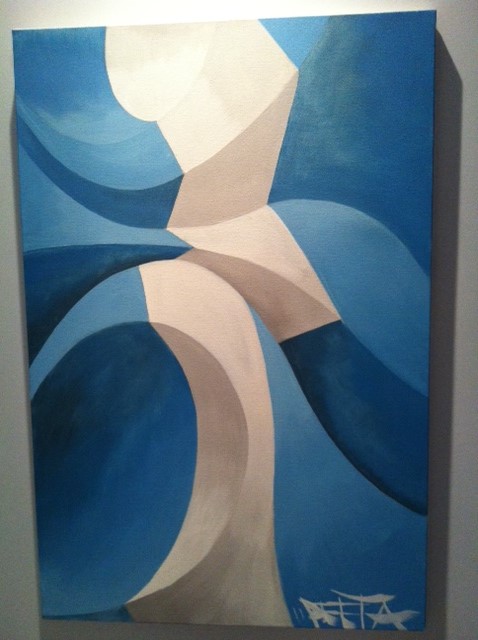
The students would be partnered off and asked to research a historical 2D artist. Each of the partners would choose an image that had personal meaning to them though they would be instructed not to show their image to their partner. They would then write a description of the painting, drawing, or print focusing on using descriptive design vocabulary. After which, they would trade descriptions with their partner.

The descriptions would serve as the basis for their partners sculpture though and emphasis would be on interpreting the descriptions in their own way. They are not meant to recreate the image exactly but to focus on the elements and principles of art and design to create a contemporary version of the historical piece. This part of the process would likely take two or three studio classes and a multitude of materials would be available to the students. Wood, paper, wire, glue, balloons or any other found objects could all be used.

Once the students finish their sculptures, I would go over the four stages of criticism which would scaffold writing their artist statements that are meant to justify their interpretations of the original descriptions. I would use these artist statements as evidence for the assessment. We would also have a class critique where the students would read the descriptions given to them and discuss their ideas for their sculpture.
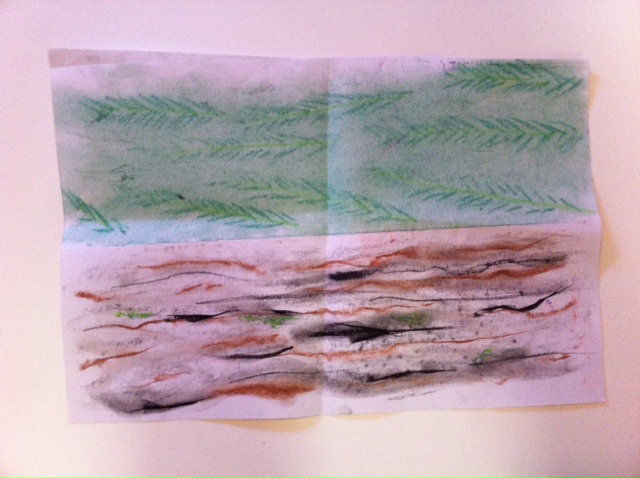
Week 3 - Mixed Media responce Week 3 - Mixed Media

Week 2 – Art as Personal Expression

Art as personal expression

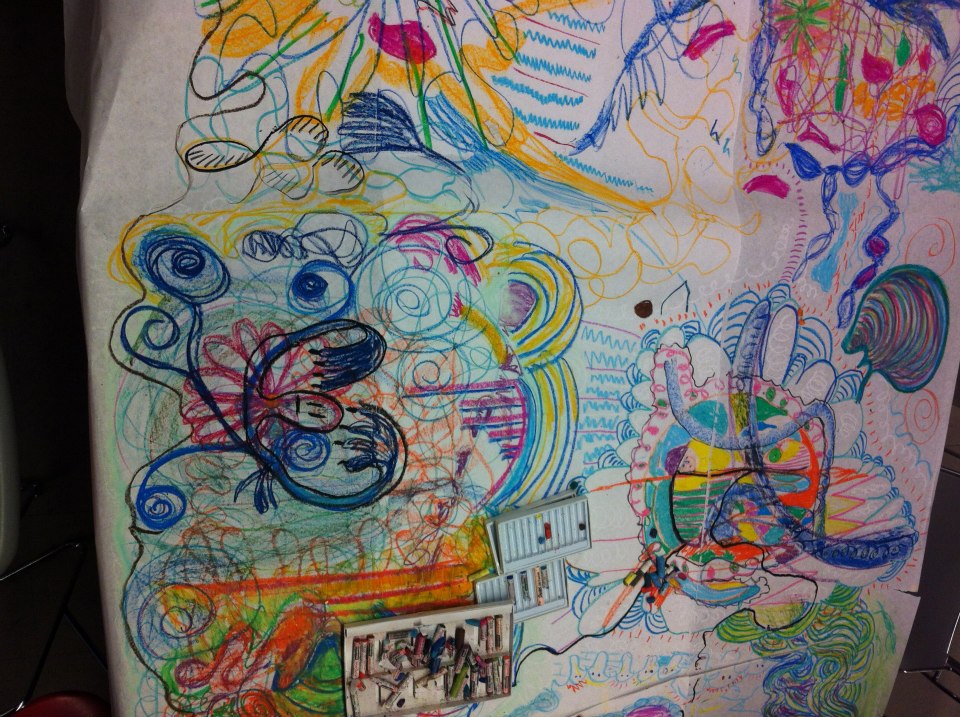
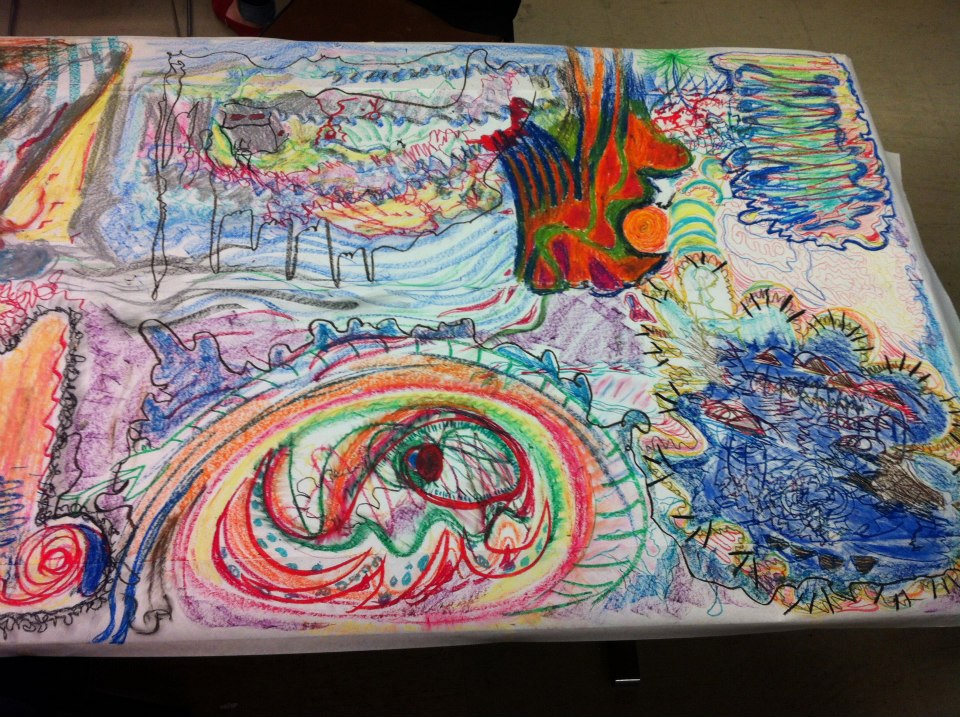
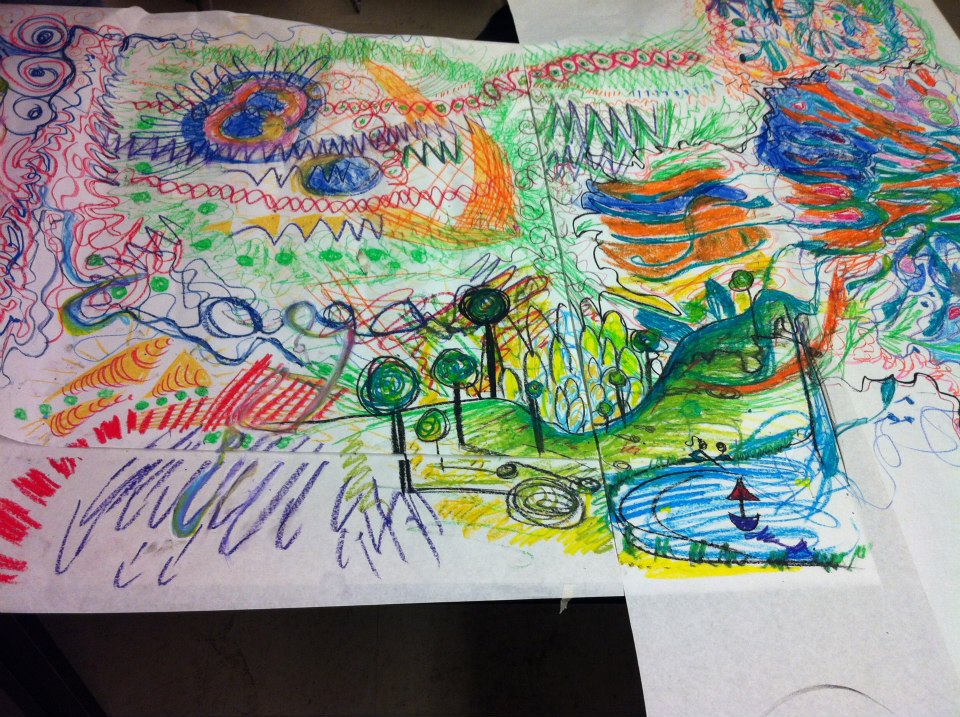
This week we were introduced to an activity that focuses on community building and personal expression. The activity is a great way to foster community in the classroom and could be used with all age groups. For the purposes of this reflection, let’s assume that I am using this activity to introduce some of the elements of art and design to a grade 8 class. Using backwards design I would plan the lesson and the assessment around 2 PLOs; To demonstrate respect for their work and the work of others and to analyze how the physical qualities of visual elements and principles of art and design are used to create effects or mood.

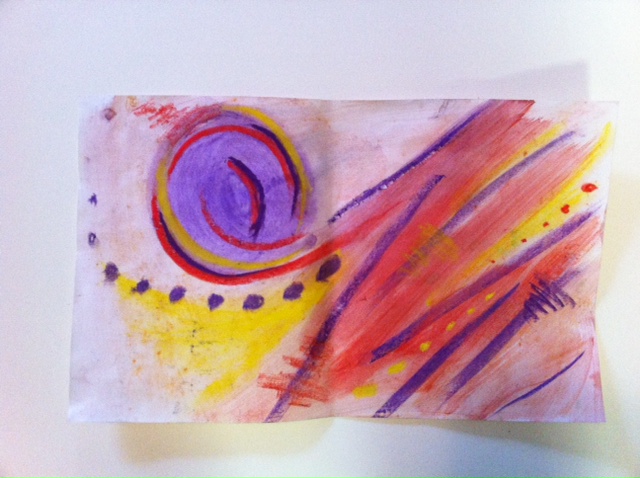
An important aspect to any community builder is the way a teacher frames the activity. I would first tell the students that this is an activity that is meant to make everyone feel comfortable with the medium (paint, pastel, crayons, charcoal or any other mark making tool) and then explain that we are going to work together to make one collective artwork.  Lining the tables with paper will cease any apprehensions that the students might have about making a mess. I would start the activity the same way we did in class. Asking the students to close their eyes and focus on their breathing would help to slow down the students and get them centered. The students would be instructed to represent their breathing while keeping their eyes closed. After about 25 or 30 seconds, I would have them open their eyes and allow for some transition time as they would likely be interested to see what happened. We would continue this activity three or four times with light music playing and eyes closed. I would instruct the students to try to represent, in their own way, words that I call out. I would then call out some of the elements of art and design, for example; line, shape, and direction. The students would then be invited to open their eye.

At this point, the students are comfortable with the medium and I would remind them that we are making one collective art piece. I would ask the students to try to make connections from their piece to their partners while rethinking the three words I called out previously; line, shape, and direction. After doing this I would give them the opportunity to move around the room and add their marks to various parts around the room. This might be a good time to remind them of respectful behaviour.

When the art making is finished I would ask the students to do a gallery walk around the room to check out their beautiful and inspiring work. While they are viewing the piece in partner groups that were determined by pulling names out of a hat to mix up the group, I would ask them to think about and discuss the different elements that were represented keeping in mind mood. The students would be instructed to find areas that looked sad or energetic or lazy or angry and discuss with their partner why they thought so.

At the end of the class, I would have the students complete an exit slip that questioned creating mood with the elements we used. Another question could be to write down one interesting thing their partner said that sparked their interest or helped them to understand something. This would be used as evidence for assessment.

Collaborative Abstraction

Collaborative Abstraction

Week 2 - Abstracted, artistic expression 3 Week 2 - Abstracted, artistic expression 2

poetry and image

poetry and image

Week 2 - photo (2) Week 2 - photo (3)